The ATC’s public sector news puts you in the picture of what’s new, noteworthy and…

The language services industry is navigating choppy waters, and the definition of how we define its value is changing. That was the message that came through loud and clear during the two days of ATC Gold in Glasgow, Scotland on 21-23 October 2026, the conference marking 50 years of the Association of Translation Companies.
The ATC was founded in 1976, the year Concorde began commercial flights and Apple was born in a garage. Fifty years on, the association has over 230 member companies working in more than 300 languages across the UK and the world. Plenty has changed in between, but linguistic expertise and outstanding services remain – not with a human in the loop, but at the core.
Technological disruption, political shifts, economic upheaval: the business landscape in which language services companies operate is constantly changing. As an industry, we have long been experts at navigating through times of uncertainty and change: faced with hugely disruptive technologies, LSCs continue to adapt, test new ways of working, and diversify their service offering.
But even the most experienced sailors need to know where exactly it is they’re heading, a compass to guide them, and a crew to support them. As we shift from AI hype to reality, from reactive to proactive, from testing to implementing, we need to be clear on our purpose, our vision and our direction of travel.
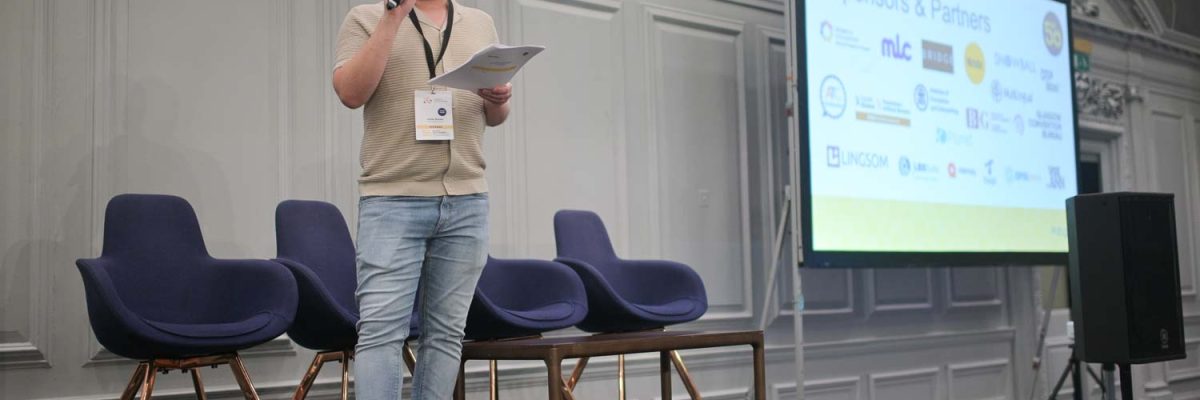
That’s what ATC Gold was all about. The mood in the room was candid and honest, and collaborative rather than competitive. Members wanted to move from AI hype to reality, from reactive to proactive, and from testing to implementing, and there was a shared sense that while the waters may be choppy, we’re still sailing – and not sailing alone, but with our freelance colleagues, our language industry association peers, and our technology partners, all of whom contributed to ATC Gold and elevated the level of our collaborative discussions, expertly and entertainingly MC’ed by ATC Council Member Cathy Branson from CatNav.









Reading the Charts
In Sink or Sail, Coasting Is Not an Option, language industry researcher Gabriel Karandyšovský asked where the language services industry is really heading and how global buyers and LSCs are reacting to the industry’s rapid transformation.
James Toal from ATC member company thebigword, Claudia Müller, Head of Language Excellence at Trusted Shops and Beata Janaszkiewicz-Cavalcanti, Lead Researcher at Nimdzi Insights talked about how buyer priorities are changing, how the boundaries between translation, localization, content and UX are disappearing, and how the value of LSCs is increasingly found in removing friction and deploying the right solutions in the right place, as a key partner-consultant within client operations.
This message was echoed in our Client Voices panel with Chloe Ratcliffe, Director of Translations at Clarivate, who took to the stage with localization consultant Tim Woodhouse and fractional localization director Jamie Brown. Their take on the differences between the start-up mentality of moving fast and breaking things is contrasted in the way regulated industries and sectors are pivoting towards the themes of security, governance, risk and compliance, with increased transparency within the delivery of language services.
The takeaways? Focus on what the client wants, but also think about what you want for your business. Be the expert consultant – verticalisation is now more important than ever. Provide the true human power, and take care of the people whose expertise you rely on.
In true spirit of peer-to-peer sharing, four ATC members shared their business journeys in short, TED-style talks.
- Tayo Ademolu from Translayte described the trials and tribulations around developing technology for certified translations before Cipher, a layout-faithful AI pre-translation tool revised and certified by linguists. The results: 39% faster turnaround, 90% first-pass quality and complaints down from 1.5% to 0.3%, a textbook case of moving from AI hype to reality.
- Oleg Semerikov from Translators Family argued that project managers should become trust managers, turning expertise into an experience clients want to come back to.
- Kelsey Frick from TranslateAble showed what being embedded in a client’s industry can mean in practice, leading to a new service AI cannot replace: multilingual stand staffing.
- Fola Yahaya from Strategic Agenda spoke openly about how global geopolitical changes impact language services, and how the business reinvented itself around verification, AI workflows, software and outcomes rather than words.
In the afternoon, the ATC’s Commercial & Collaborations Lead Sarah Bawa Mason invited Victoria Nicol from ATC member company and our local Glasgow hosts My Language Connection and Sarah Heaney from the Glasgow Chamber of Commerce to the stage, discussing how the ATC is building tangible, concrete business opportunities for members with client-side trade associations and business organisations, and how member collaboration with local Chambers of Commerce can help open up business in new sectors and industries.




What We Leave Behind
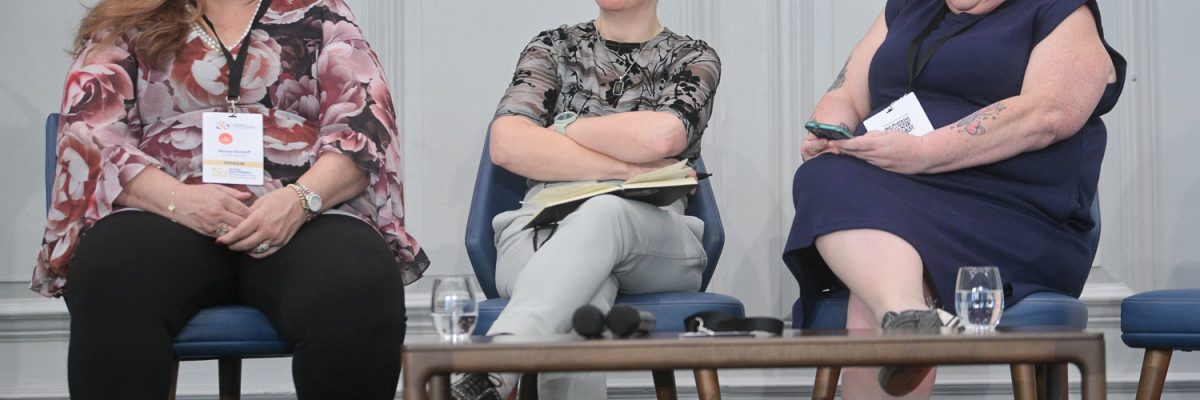
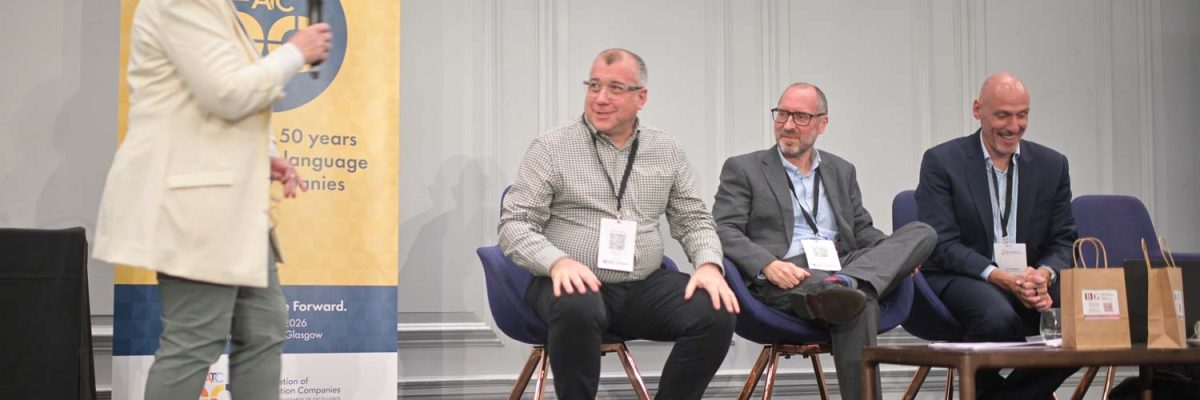
In a 50th anniversary conference, it was also only fitting to take the long view and think about legacy, and what we leave behind. Our Industry Voices panel hosted by ATC CEO Raisa McNab brought together views from different corners of the industry, from Sara Robertson, Chief Executive of the Institute of Translation and Interpreting calling for stronger collaboration with the freelancer community, Maryse Benhoff from BG Communications, Vice-President of the Canadian Language Industry Association CLIA and outgoing Chair of ISO TC 37/SC 5 making the case for standards still being there when we no longer are, and Traci Kirkland, CEO of local Glaswegian community organisation Govan Community Project and ATC member company Voiceover Interpreting speaking eloquently about language as a basic human right and a powerful way to support the most disadvantaged within our communities.
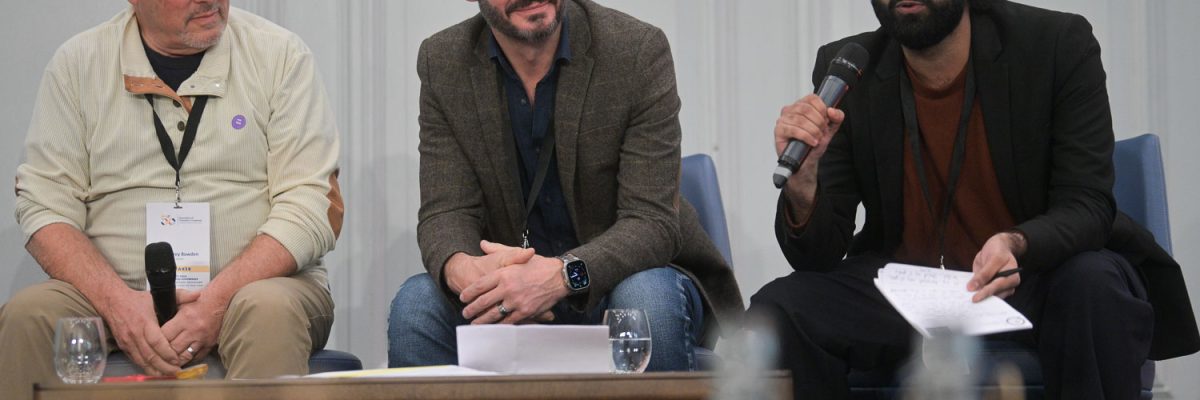
ATC Chair Corinne Smith from International Translations Limited, Roy Allkin, former Chair and current Council Member from Wolfestone Group, past ATC General Secretary and outgoing General Secretary of the EUATC Geoffrey Bowden welcomed the perspectives of young professional Rohan Darar from ATC member company Transcom Global, to debate past, present and future of the ATC and the language services industry. The panel discussed a market that is splitting rather than shrinking, a narrowing UK language-skills pipeline, and how the human should be at the core, rather than in the loop – and how the future remains bright for expert language services.
The day ended in celebration at the ATC’s traditional Language Industry Awards celebrating the operational excellence of language service companies of all sizes, and the industry professionals who support them, with a fundraiser for Clear Global and Translators without Borders and the worst dancing in a Scottish ceilidh our live band had ever seen.



Setting the Course
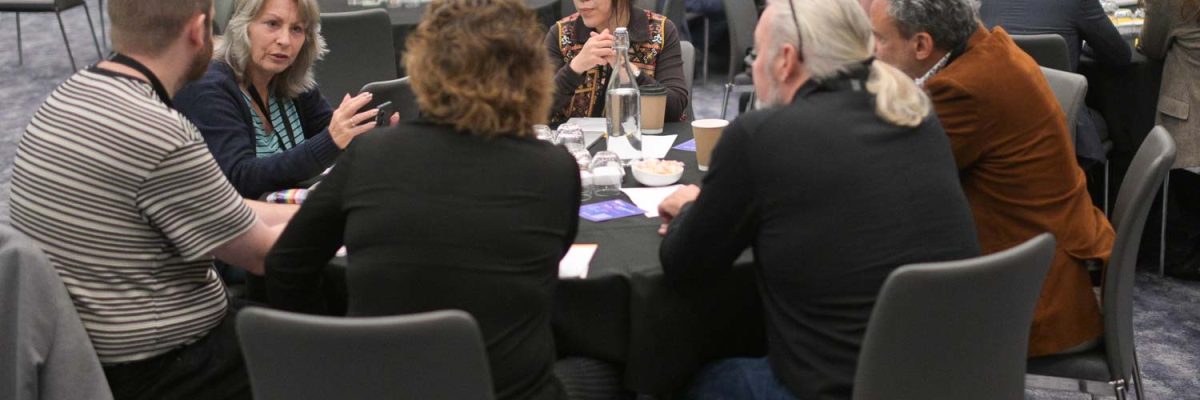
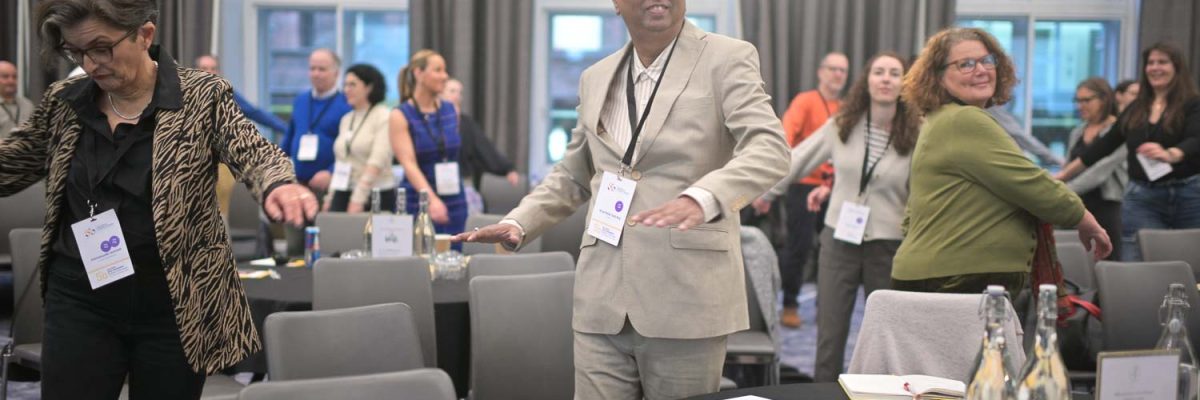
If the ATC Gold day one acted as our compass, day two was about strategic planning and converting insights into future focus, with the room doing most of the talking. ATC Vice-Chair James Brown from Comtec Translations and Council Member Ruth Partington from Empower Translate led a series of hands-on workshops on how to pivot, diversify and thrive.
Discussions addressed what clients are doing with AI, where the commercial opportunities lie, and how to put AI to work in the business. People featured highly on the topics of conversation, moving from motivating global teams in an increasingly isolated world to looking after linguists, and building the skills the future will demand.
The final session returned to the topic of what clients are facing, how their environment is changing the way they buy, and what they need from us now. The answers on the community wall were frank:
- Clients are under pressure. Budget cuts are hitting businesses, NGOs and cultural institutions. Many contacts face internal pressure to use AI, even when they can see the problems.
- Buying patterns are shifting. Members reported fewer languages per project, plain English replacing local versions, shorter assignments and less frequent orders. Several noted it is not always possible to tell budget cuts from AI substitution. Freelancers described the pressure passing down to them through requests to cut rates.
- Not every sector is the same. Some legal and medical clients explicitly prohibit AI, even while they still push on price.
- Clients need advisers. Tables called for advice matched to purpose (who reads it, how it is used, how urgent it is), practical compliance support, evidence rather than warnings, and follow-up on what the work actually achieved. As one participant put it, reliable service can become invisible precisely because nothing goes wrong.
- Communication matters. Members stressed adapting to each client’s style, whether phone, email or messaging, and understanding the client’s industry well enough to suggest improvements before being asked.
One table summed up the spirit of the day: we all have a duty to be guardians and stewards of language. The shift the tables described was from reactive supplier to proactive adviser.

M&A Forum: a Plan for the Business
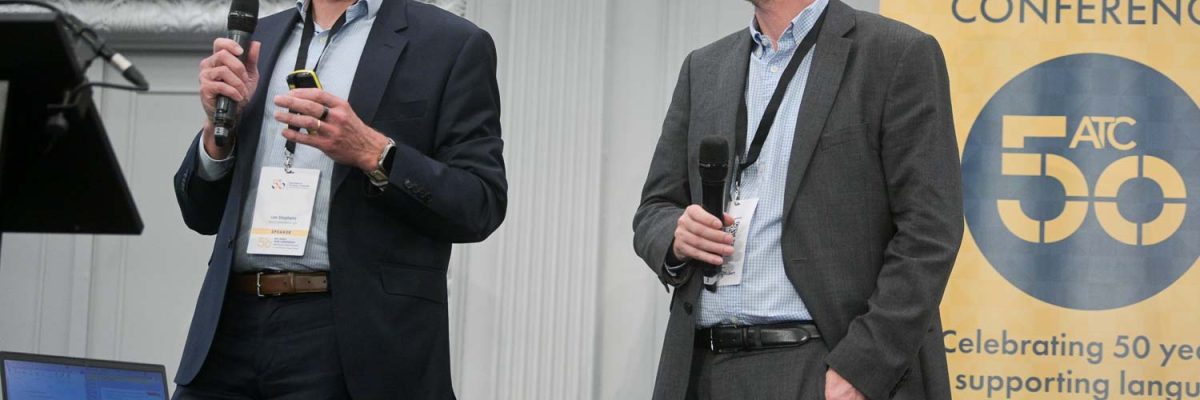
The ATC’s M&A Forum put strategic planning in its most concrete form. Graeme Lawrence from Snowball Strategic Growth and Lee Stephens and David Rogers from BRIDGE Employment Law made a simple point that many owner-managed businesses miss. An annual business plan is essential, but it is not enough. Owners also need a plan for the business: scenario planning, succession, evidence that the company can scale, and a clear view of where the market is going.
The legal half of the session was a wake-up call on people issues. Confidentiality terms, IP and post-termination protections, bonus and equity arrangements, notice periods and, above all, the employment status of staff and freelancers can all delay a deal, cut its value or stop it altogether. The advice was to audit now, long before any transaction is on the table.

The Case for Tech
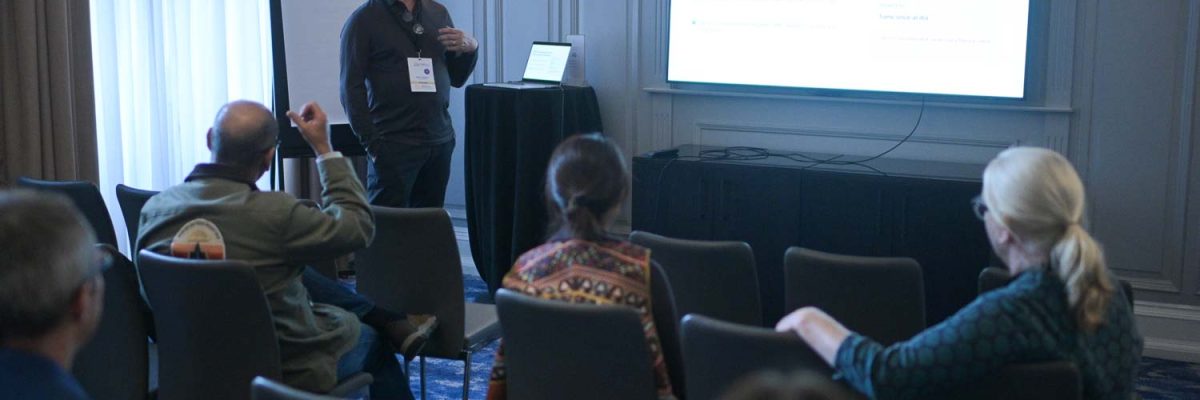
In the afternoon, ATC’s technology partners demonstrated how LSCs can leverage the latest technology to adapt to client needs, improve internal processes, and protect margins.
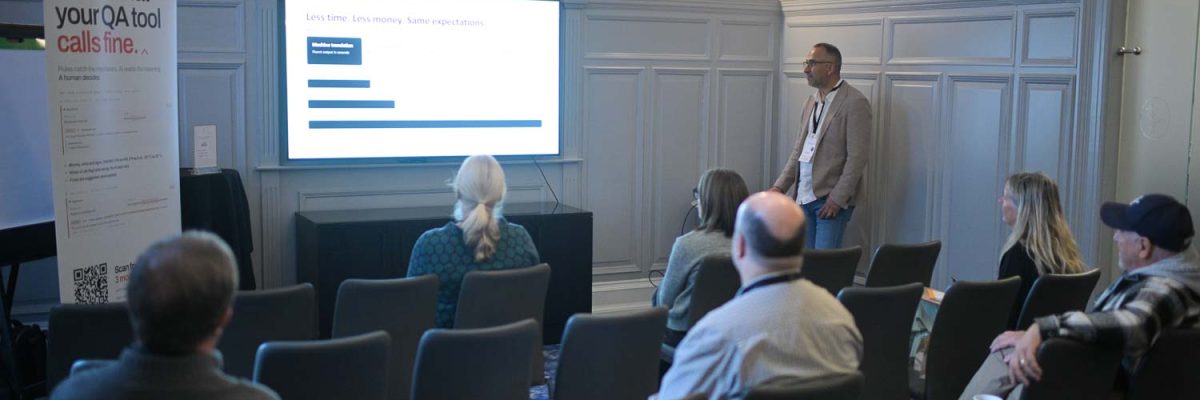
Cenk Yalavaç showcased Still Needs a Human, a new QA tool that combines a layer of traditional rule-based quality assurance with meaning-focused AI quality assurance to give linguists and project managers the best of both worlds: meaningful QA reports that capture real errors, rather than a long list of false positives to scroll through.
Gerald Clark and Fola Yahaya shared how building their own translation tool was born out of a mispriced project, and how their in-house translators pivoted to computational linguists to help fine-tune Robert, a new tool that combines the best of traditional CAT tools, cutting-edge AI and a brand-new business model that allows LSCs to protect margins and compete on quality, not just price.
Marco Baglioni from LanguageCheck.ai explained how LSCs and linguists can protect quality and margins without slowing production, using tools such as LanguageChecki.ai to evaluate source text and MT output quality before quoting clients on projects. Leveraging AI technology to exclude segments that don’t need reviewing, users can save up to 69% of their review time, allowing them to focus their energy solely on the segments that actually need to be checked.
The Next Fifty Years
Coasting is not an option, but nobody has to sail alone. If ATC Gold had one conclusion, it was this: the value of our industry is moving from producing words to providing judgement, accountability and advice. The businesses that come out ahead will be those that share value with their linguists, stay close to their clients’ world, and plan for the business as well as in it. The goal is not just surviving, but thriving.
That crew includes the ATC as the leading trade association for language services companies itself. Its clearest role is collaboration over competition: the things no company can credibly do alone. That means standards and trust, a collective voice with government and buyers, market intelligence, and building the next generation of talent.
Thank you to everyone who spoke, sponsored, volunteered and joined us for ATC Gold. Here’s to navigating the next chapter, together!
📸 Photos by Pete Copland
Related Posts